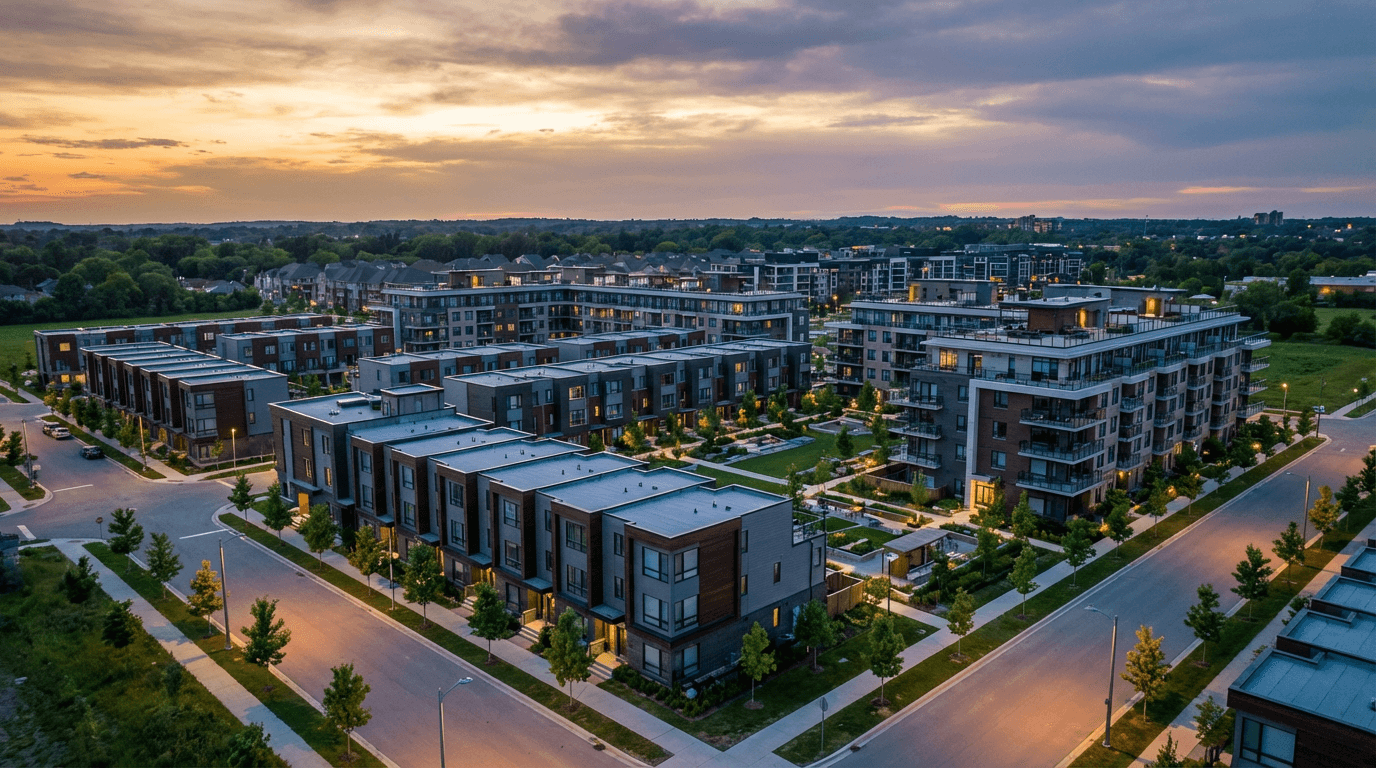
Milwaukee is a good place to invest in real estate because it features 94 percent occupancy rates, high rental demand, and stable cap rates averaging 6.8 percent. The city offers affordable property entry points and a competitive landscape where multiple renters compete for each available unit. These factors, combined with strong lease renewal rates and economic stability, provide a high-potential environment for consistent cash flow.
Finding sustainable yield in today’s global market often feels like a choice between overpriced coastal appreciation and high-risk speculative ventures. For international investors, the primary challenge remains identifying a stable environment where entry costs do not erode the potential for immediate cash flow. Milwaukee has emerged as a compelling solution for those seeking reliable multifamily and residential returns throughout 2026. This city provides a sophisticated landscape of high occupancy rates and resilient cap rates that frequently outperform traditional tier-one cities. In this guide, we analyze the latest 2026 market data, specific high-yield neighborhoods, and the logistical frameworks required for remote asset management. You will discover exactly why institutional capital is shifting toward the Midwest, and how to position your international portfolio for long-term stability in the Milwaukee market.
The Milwaukee Real Estate Market: Stability and Yield in 2026
Milwaukee has evolved from a quiet regional secret into a primary target for sophisticated capital. For those asking, is milwaukee a good place to invest in real estate, the current landscape provides a compelling answer rooted in fiscal durability. While coastal hubs like San Francisco and New York struggle with extreme price volatility and shifting regulatory environments, the Milwaukee real estate market 2026 offers a more grounded trajectory.
Current data confirms that Milwaukee's rental units maintain a robust occupancy rate of approximately 94%, a figure that underscores the structural housing shortage and sustained demand characterizing the region. This stability is underpinned by a diverse economic base, including major institutional employers like Northwestern Mutual and Advocate Aurora Health, which provide a consistent tenant pool.
At KLR Investments, we have observed the city's transition from a hidden gem to a highly competitive market where local data is paramount. Unlike the speculative nature of many global tech hubs, Milwaukee serves as a reliable cash flow engine. It provides the predictable yields that international portfolios require, shielding investors from the boom and bust cycles common in overheated coastal markets while maintaining accessible entry points for residential acquisition.
The 2026 Data: Why Milwaukee's Rental Market Signals Strong Returns

Understanding the quantitative fundamentals is essential when determining is milwaukee a good place to invest in real estate for the long term. According to a Wall Street Journal analysis, Milwaukee's rental units were 94% occupied at the start of 2025, with eight prospective renters competing for each available apartment. This supply-demand imbalance is a critical driver of value: well positioned assets face minimal downtime between tenancies. The metro area's apartment vacancy rate hovered around 4.5% in mid-2024, placing Milwaukee among the tightest rental markets in the nation, according to Institutional Property Advisors data.
Yield remains a powerful draw for international capital. According to Wisconsin Haven Realty's 2026 Greater Milwaukee outlook, cap rates for well-maintained, full-occupancy residential properties are stabilizing around 6.8%. This is particularly attractive compared to the sub-4% yields common in coastal gateway cities. RealPage's Buildium division ranked Milwaukee #8 out of 60 up-and-coming U.S. real estate markets for 2026, citing its combination of rent growth, low vacancy, and strong cap rates. At KLR Investments, we target assets that deliver these benchmarks while maintaining high physical standards, because deferred maintenance remains the fastest way to erode yield.
Tenant behavior further reinforces this stability. The 70.1% lease renewal rate indicates a level of retention that significantly reduces the friction of turnover costs, which are the primary profit eroders in more transient urban centers. This high retention rate is a direct result of the city's stable employment base and the high cost of homeownership for local residents.
Looking ahead, Marcus & Millichap's 1Q 2026 Milwaukee Multifamily Market Report projects that household income growth in the metro will rank among the nation's strongest this year. This upward trajectory provides a solid foundation for sustainable rent increases, ensuring today's acquisitions remain competitive as the local economy grows. For those navigating the complexities of tax for foreign investors, these strong fundamentals create the operational buffer needed to maintain profitability after accounting for cross-border fiscal obligations.
Why International Investors are Choosing Milwaukee Over Coastal Cities
Building on these fiscal buffers, many international clients initially ask, "Can foreign investors buy property in the US?" The answer is a definitive yes; the United States maintains an open market for international capital, and the Midwest provides a particularly stable entry point. For those navigating the Milwaukee real estate market 2026, the city represents a shift from speculative growth toward reliable income. While global hubs like New York, London, or San Francisco require seven-figure capital outlays for single units, Milwaukee’s residential entry points remain accessible, allowing investors to build diversified portfolios of multiple properties for the price of one coastal condo.
The core mathematical appeal for those determining is milwaukee a good place to invest in real estate is the persistence of the 1% rule. In many Milwaukee zip codes, it is still possible to achieve monthly rents that equal or exceed 1% of the total acquisition cost. This is a feat virtually impossible in coastal cities, where yields have compressed to 2% or 3% and investors must rely almost entirely on long term appreciation. Milwaukee consistently produces higher cash on cash returns because the price to income ratio remains balanced.
Local residents earn enough to sustain healthy rent levels without the extreme rent burden seen in over leveraged coastal markets. This economic alignment reduces the likelihood of regulatory intervention and non payment issues. At KLR Investments, we focus on these fundamentals to ensure that tax for foreign investors and management fees are easily covered by the property's organic cash flow, leaving a net margin that exceeds what is available in primary global markets.
Top Milwaukee Neighborhoods for High Yield Residential Portfolios

Selecting the correct micro-market is the bridge between understanding the city's macro-data and achieving a high-performing portfolio. When determining is milwaukee a good place to invest in real estate, the answer often depends on the specific neighborhood's alignment with your yield or appreciation goals. At KLR Investments, we categorize local sub-markets into tiers to help international clients match their capital to the right asset class.
For those prioritizing long term capital gains and premium tenant profiles, the Lower East Side and Bay View are the primary targets. The Lower East Side benefits from high density and proximity to the University of Wisconsin-Milwaukee, creating a constant demand from students and young professionals. Bay View offers a trendy, residential appeal that has seen some of the city's strongest historical appreciation. These represent Class A neighborhoods; while purchase prices are higher, they offer lower turnover and high stability within the Milwaukee real estate market 2026.
Investors seeking higher immediate cash-on-cash returns often pivot toward Walker's Point or stable Class B and C residential pockets. Walker's Point is a hub of urban revitalization, where industrial conversions and a burgeoning culinary scene drive rental growth. In contrast, Class B and C neighborhoods in the city's residential corridors are where the 1% rule is most frequently achieved, providing the aggressive cash flow that international portfolios often require to offset costs like property management and tax for foreign investors.
Neighborhood | Investment Class | Primary Value Driver | Target Tenant Profile |
|---|---|---|---|
Lower East Side | Class A | High Density & Demand | Professionals / Students |
Bay View | Class A/B+ | Strong Appreciation | Families / Young Creatives |
Walker's Point | Class B | Urban Revitalization | Urban Professionals |
Residential Corridors | Class B/C | High Monthly Yields | Working Class Households |
Addressing Common Concerns: Population Shifts and Market Risks
Addressing the question of why people are moving out of Milwaukee requires looking beyond surface level census headlines. While domestic migration patterns sometimes show slight fluctuations in total headcounts, the demographic profile of the city is shifting toward a high value "renter by choice" model. This group includes young professionals and aging downsizers who prioritize proximity to urban amenities over suburban homeownership. Consequently, the demand for quality residential units in the Milwaukee real estate market 2026 remains at a deficit despite raw population trends.
The resilience of the rental market is fundamentally supported by massive capital investment. Since 2015, over $5.4 billion in completed downtown projects have fundamentally revitalized the city core. These developments have transformed the central business district into a hub for major employers, ensuring a steady stream of high earning tenants. For those evaluating is milwaukee a good place to invest in real estate, this structural shift is more significant than suburban migration figures.
At KLR Investments, we focus on the specific sub-markets where these revitalization projects have created a permanent floor for rental demand. By targeting areas where the supply of renovated housing cannot keep pace with this modern tenant profile, we help international clients mitigate perceived risks. This focus on local economic anchors ensures that yields remain stable even as investors navigate the complexities of tax for foreign investors and cross border management.
How International Investors Can Manage Milwaukee Assets Remotely

Executing a cross-border strategy requires a shift from passive observation to active, localized management. For those determining is milwaukee a good place to invest in real estate, the logistical challenge of remote ownership is often the final hurdle. Success in the Milwaukee real estate market 2026 relies on a full acquisition management framework that replaces the need for physical proximity with data-driven oversight. This structure ensures that international capital is deployed into assets that are physically sound and legally compliant.
KLR Investments acts as the primary bridge between international capital and local execution. This begins with rigorous asset sourcing and extends into navigating city-specific regulatory hurdles that can derail an uninformed investor. Milwaukee requires precise compliance with municipal codes, including mandatory lead-safe certifications for rental properties and periodic inspections by the Department of Neighborhood Services (DNS). A local partner ensures these requirements are met proactively, preventing the fines and occupancy delays that can erode annual yields.
Management Component | DIY Remote Challenges | Managed Portfolio Advantage |
|---|---|---|
Asset Sourcing | Reliance on public, stale listings | Off-market access and local underwriting |
Regulatory Compliance | Risk of DNS fines and code violations | Proactive lead-safe and city ordinance adherence |
Vendor Management | High costs from unvetted contractors | Established, high-volume local maintenance networks |
Financial Reporting | Complexities of US tax filings | Coordination with specialized cross-border CPAs |
Ongoing portfolio oversight is the final layer of a successful remote strategy. This involves strategic capital expenditure planning to maintain the 6.8% cap rates standard in the 2026 market. By facilitating communication between the property and specialized financial professionals, KLR helps investors address the tax for foreign investors through structured reporting and FIRPTA compliance. This comprehensive approach transforms a complex international transaction into a streamlined, professional business operation that functions autonomously on behalf of the investor.
Milwaukee presents a compelling opportunity for international investors in 2026. With 94% occupancy, stabilizing 6.8% cap rates, and household income growth projected among the nation's strongest, the data confirms that the city is a good place to invest in real estate right now. To go deeper on the specific topics covered in this guide, explore our companion articles on Milwaukee cap rates and yields, tax considerations for foreign investors, and FIRPTA and withholding rules. If you are ready to take the next step, visit KLR Investments to learn how our full acquisition management and portfolio oversight can help you build a reliable cash-flow portfolio from abroad.